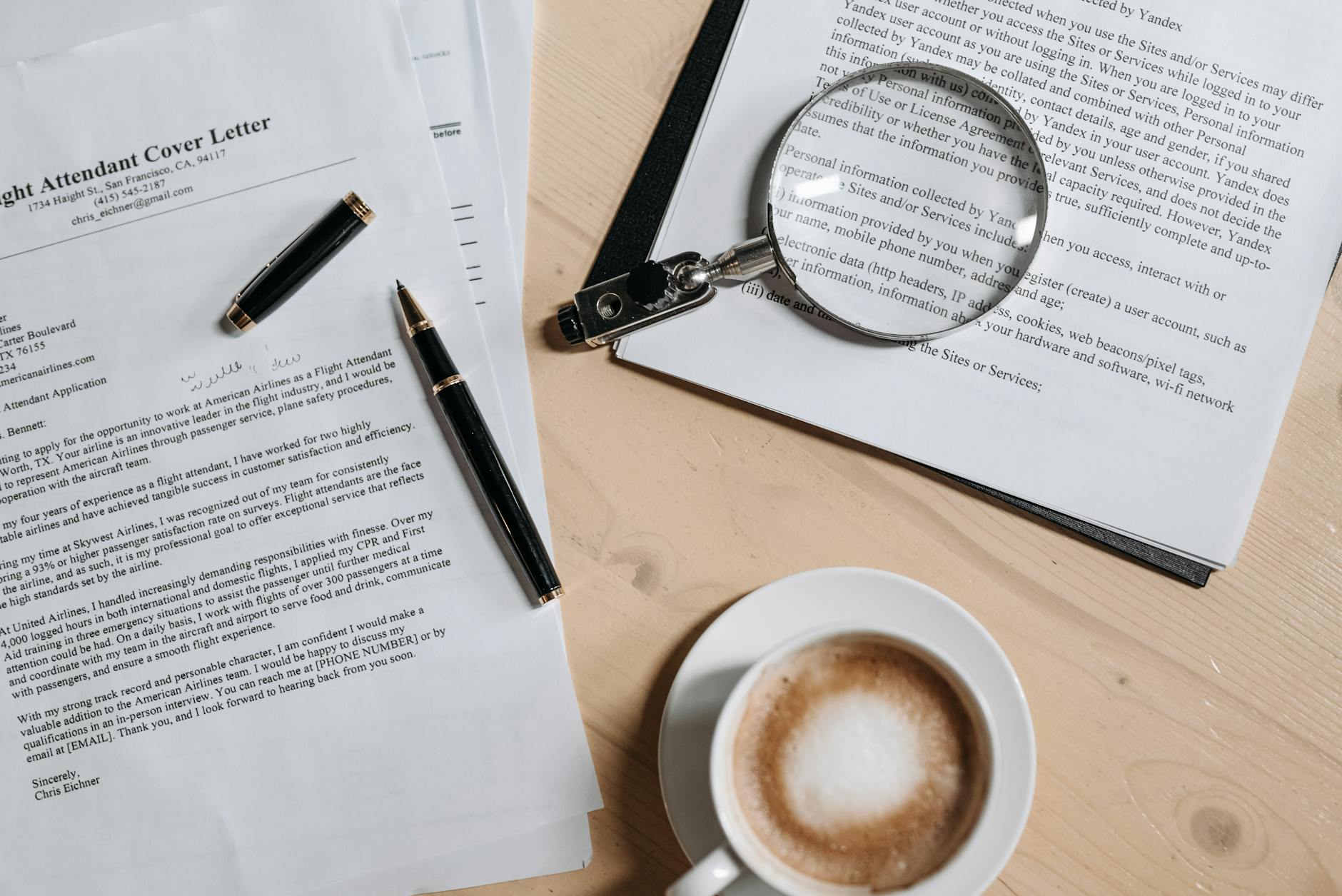
So, what makes a good cover letter? A good cover letter offers your prospective employer evidence that you have the technical expertise, knowledge, capabilities, and skills they need for the position they advertise. It’s the first piece of hard evidence that you can perform the work you’re being considered for.
A compelling cover letter does more than just introduce you. It showcases your personality, highlights your most relevant experiences, and explains why you’re the perfect fit for the job. This document needs to make the employer feel confident about your abilities and comfortable with the idea of hiring you.
Structure and Content of a Cover Letter
The structure of a cover letter can sometimes be confusing, with many tips and contradicting advice floating around. However, there are some general principles you can follow.
First, a cover letter should not exceed one page. It needs to be concise and to the point, ensuring that every word serves a purpose. The aim is to make a strong impact without overwhelming the reader.
Start with a professional salutation and an engaging opening paragraph. Your goal here is to catch the reader’s attention and provide a brief overview of who you are and why you’re writing. Mention the position you’re applying for and where you found the job listing.
The body of your cover letter should consist of two to three paragraphs that delve deeper into your qualifications. Highlight your most relevant experiences and skills, and explain how they make you an ideal candidate for the position. Use specific examples to demonstrate your accomplishments and how they relate to the job.
It’s essential to tailor this section to the job description. Carefully read the job listing and align your experiences with the skills and qualifications the employer is seeking. This shows that you have done your homework and are genuinely interested in the position.
End with a strong closing paragraph. Reiterate your enthusiasm for the job and the company, and express your eagerness to discuss how you can contribute to their success. Politely indicate your desire for an interview and provide your contact information. Thank the reader for their time and consideration.
Professional Advice for Crafting Cover Letters
When writing a cover letter, it’s crucial to personalize it. Address the hiring manager by name if possible, and reference specific details about the company or job role that resonate with your experiences and career goals. This shows that you are genuinely interested in the position and have taken the time to understand the company’s needs.
Rather than just listing your accomplishments, use the cover letter to tell a story. Describe a challenge you faced in a previous role, the actions you took to overcome it, and the results you achieved. This narrative approach can make your cover letter more engaging and memorable.
Another key aspect is to align your skills and experiences with the job requirements. Highlight how your background makes you an ideal fit for the role. For instance, if the job requires strong project management skills, discuss a specific project you successfully led, focusing on the skills you utilized and the outcomes you delivered.
Your tone should be professional but also convey enthusiasm and a genuine interest in the role. Avoid generic statements and clichés. Instead, be specific about what excites you about the position and how you see yourself contributing to the company’s goals.
Finally, ensure your cover letter is free from typos and grammatical errors. A well-written cover letter reflects your attention to detail and your commitment to presenting yourself professionally. Consider asking a trusted friend or mentor to review it before you submit your application.
Creating an impactful cover letter is a critical step in your job application process. It’s your chance to make a strong first impression and set yourself apart from other candidates. By following these guidelines and leveraging professional advice, you can craft a cover letter that effectively showcases your qualifications and enthusiasm for the job.
Remember, a well-crafted cover letter not only highlights your suitability for the job but also leaves a positive impression on potential employers, increasing your chances of landing an interview. At Ingenium Career Consulting, we specialize in helping you create standout cover letters that capture attention and open doors to new career opportunities. Contact us to learn more about how we can help you stand out in today’s competitive job market through our professional services, or check out our other free resources.
C
 Ingenium Career Consultants